Start with the protection goal
Some owners need coverage against large vet bills. Others worry most about lost pets, travel safety, indoor cat hazards, or emergency readiness. Use the guide sections below to choose the right starting point.

Browse practical protection guides covering insurance, trackers, emergency readiness, home safety, travel, and lost-pet prevention.
Some owners need coverage against large vet bills. Others worry most about lost pets, travel safety, indoor cat hazards, or emergency readiness. Use the guide sections below to choose the right starting point.

Smart home tools can help owners monitor pets, detect escapes, check rooms, manage feeding routines, and respond faster.
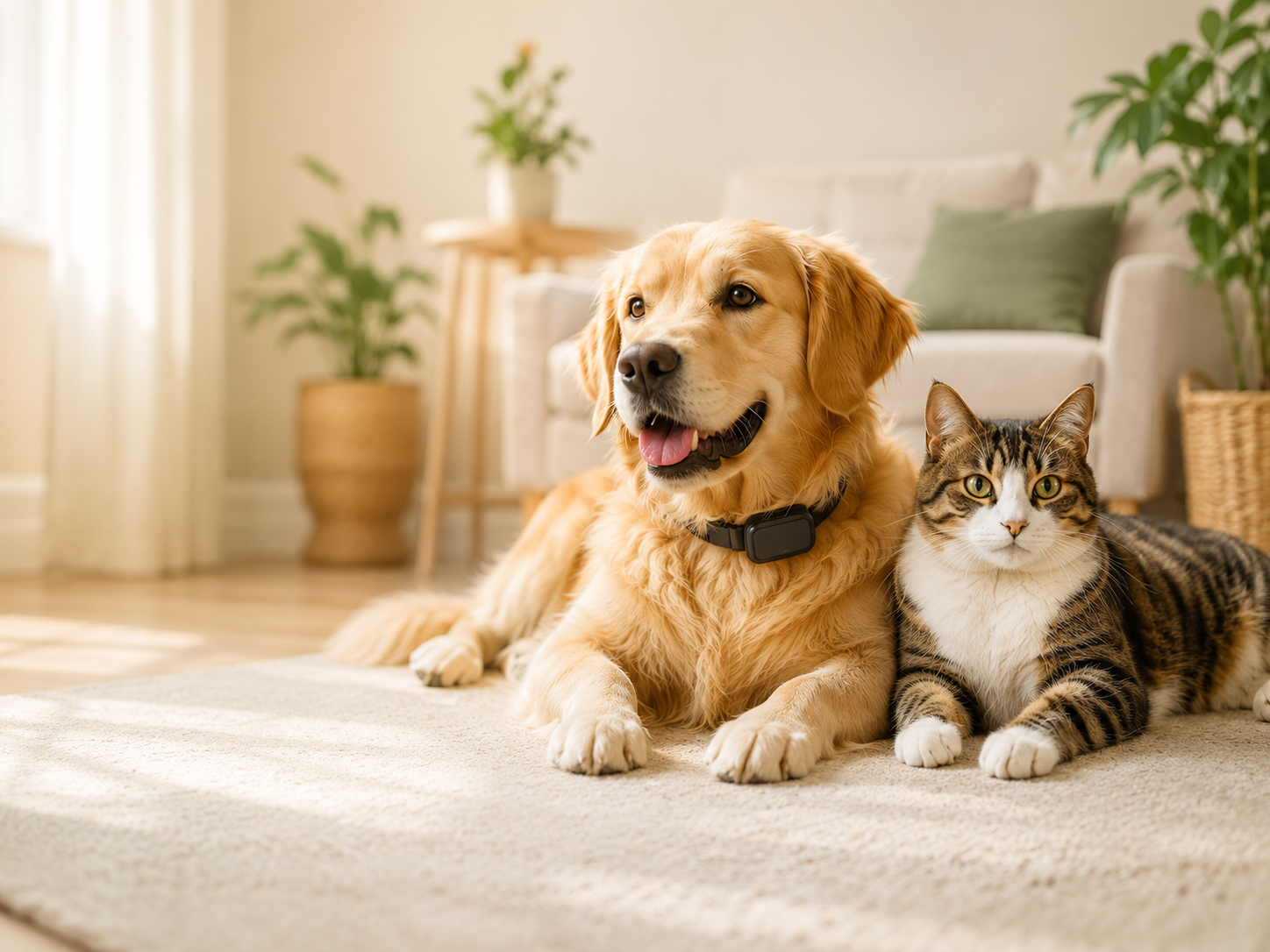
Winter safety includes cold exposure, ice, antifreeze, paw care, indoor heating risks, and emergency readiness.
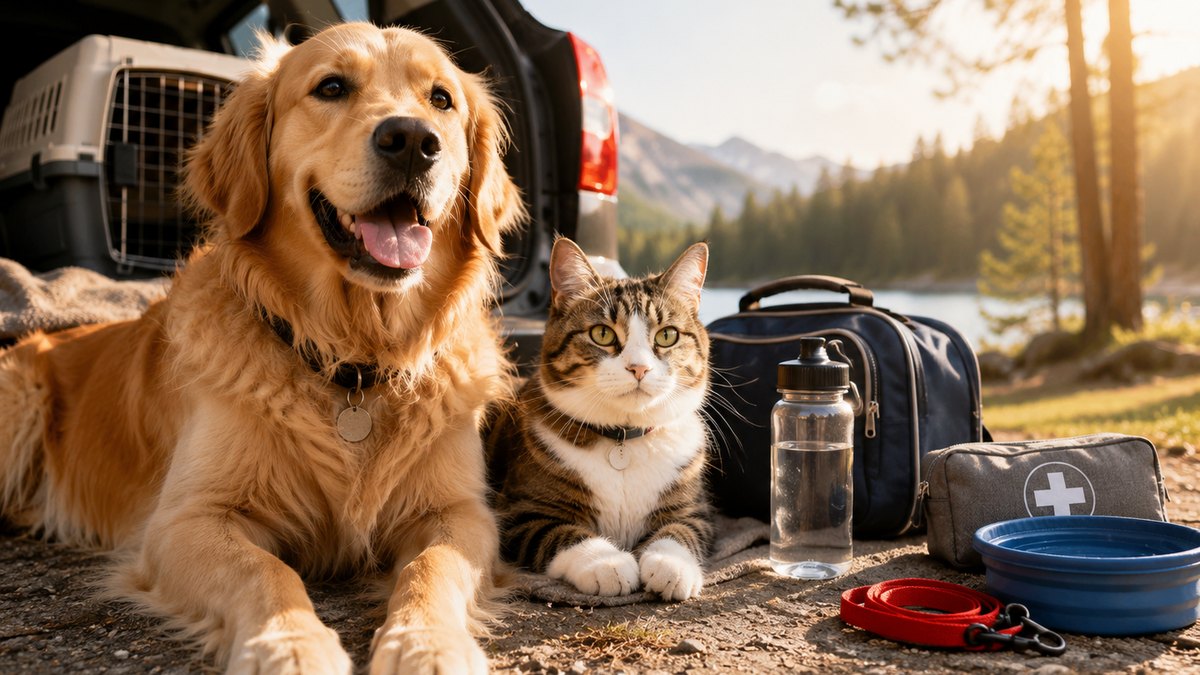
Summer risks include heat stress, hot pavement, dehydration, parasites, water hazards, travel risks, and outdoor escape chances.
A ready emergency bag can support evacuation, travel delays, storms, medical needs, and unexpected pet care disruptions.
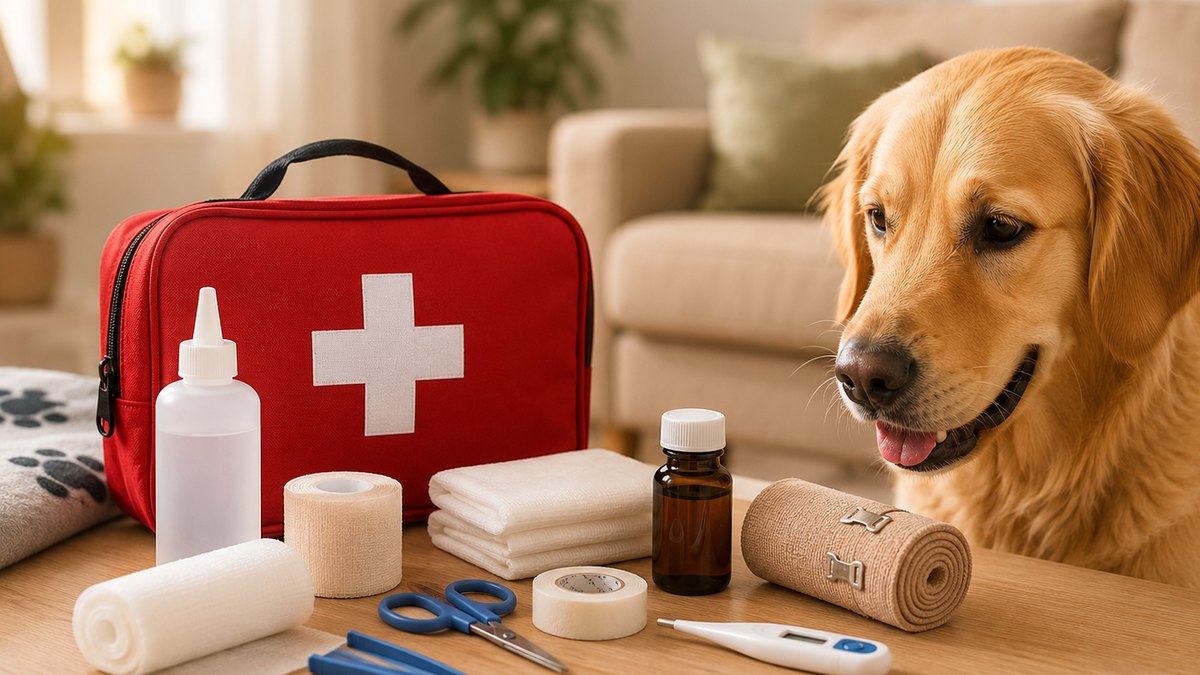
Learn basic preparation for cuts, heat stress, choking risk, poisoning concerns, and when to contact an emergency veterinarian.
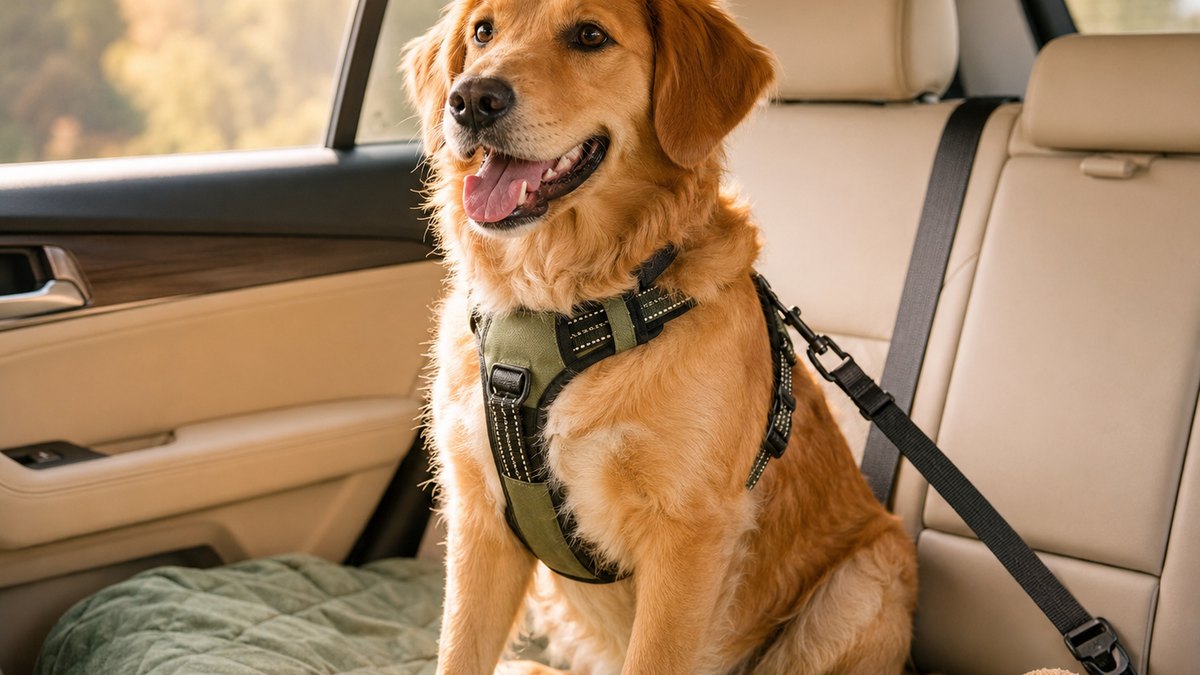
Compare crash testing claims, fit, attachment points, comfort, adjustability, and escape resistance before choosing car restraints.
A safer car routine can reduce distraction, injury risk, escape risk, overheating, and emergency confusion.
Before bringing home a dog or cat, check hazards, ID, insurance options, emergency contacts, supplies, and safe rooms.

Escape prevention for cats starts with door routines, window screens, enrichment, ID, microchips, and household rules.

A calm step-by-step lost dog plan can help you act fast: search zones, alerts, shelters, microchip updates, and community posts.
Bluetooth item trackers and pet GPS devices solve different problems. Learn when each option is useful and where it falls short.
Cat trackers must balance weight, battery life, escape alerts, indoor finding, and collar safety.