
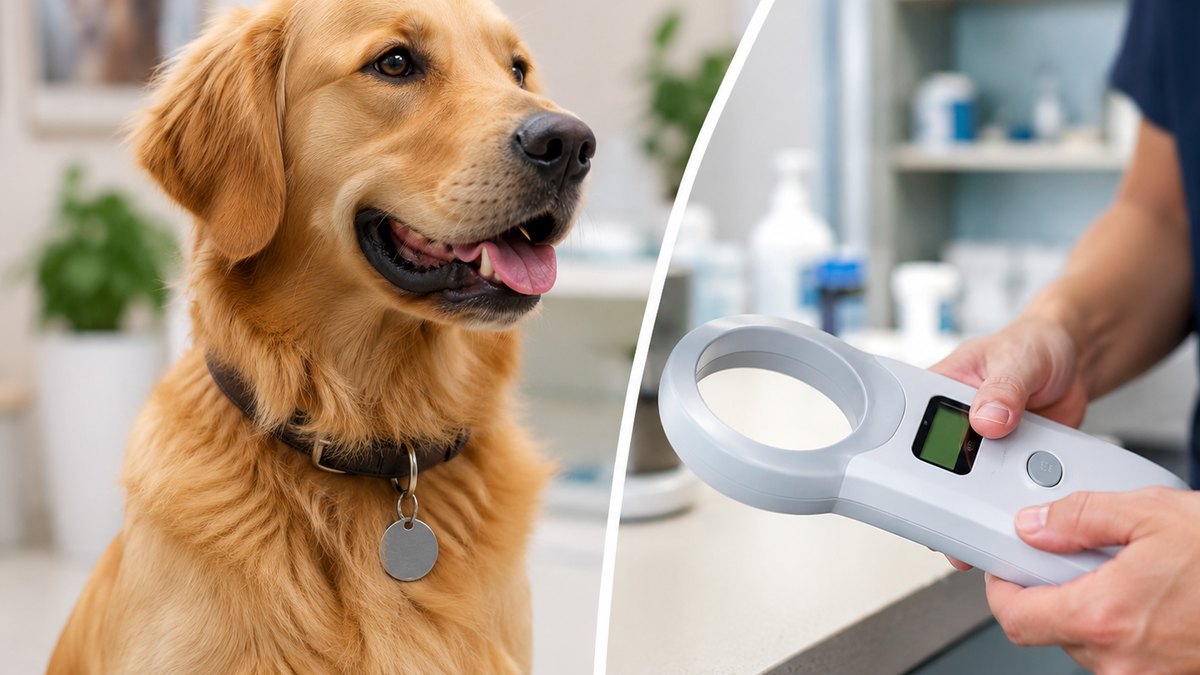
Learn the difference between GPS trackers, microchips, ID tags, and why layered lost-pet protection works best.
They solve different problems
A microchip helps identify a found pet after someone scans it. A GPS tracker helps you actively locate a pet while the device is charged and attached. ID tags make contact fast if a neighbor finds your pet.
Best layered setup
Use a visible ID tag, a registered microchip, updated contact information, and a GPS tracker for pets with escape risk or outdoor exposure.
Limits to understand
Microchips do not transmit location. GPS trackers need battery, coverage, and a secure attachment. ID tags can fall off. Layering reduces single-point failure.
PetProtectors takeaway
For lost-pet protection, the strongest approach is not one tool. It is a system: identification, prevention, tracking, and a recovery plan.
Quick checklist
- Compare features, not only price.
- Read exclusions and limitations carefully.
- Think about your pet’s age, routine, health history, and escape risk.
- Keep emergency contacts and identification information updated.