
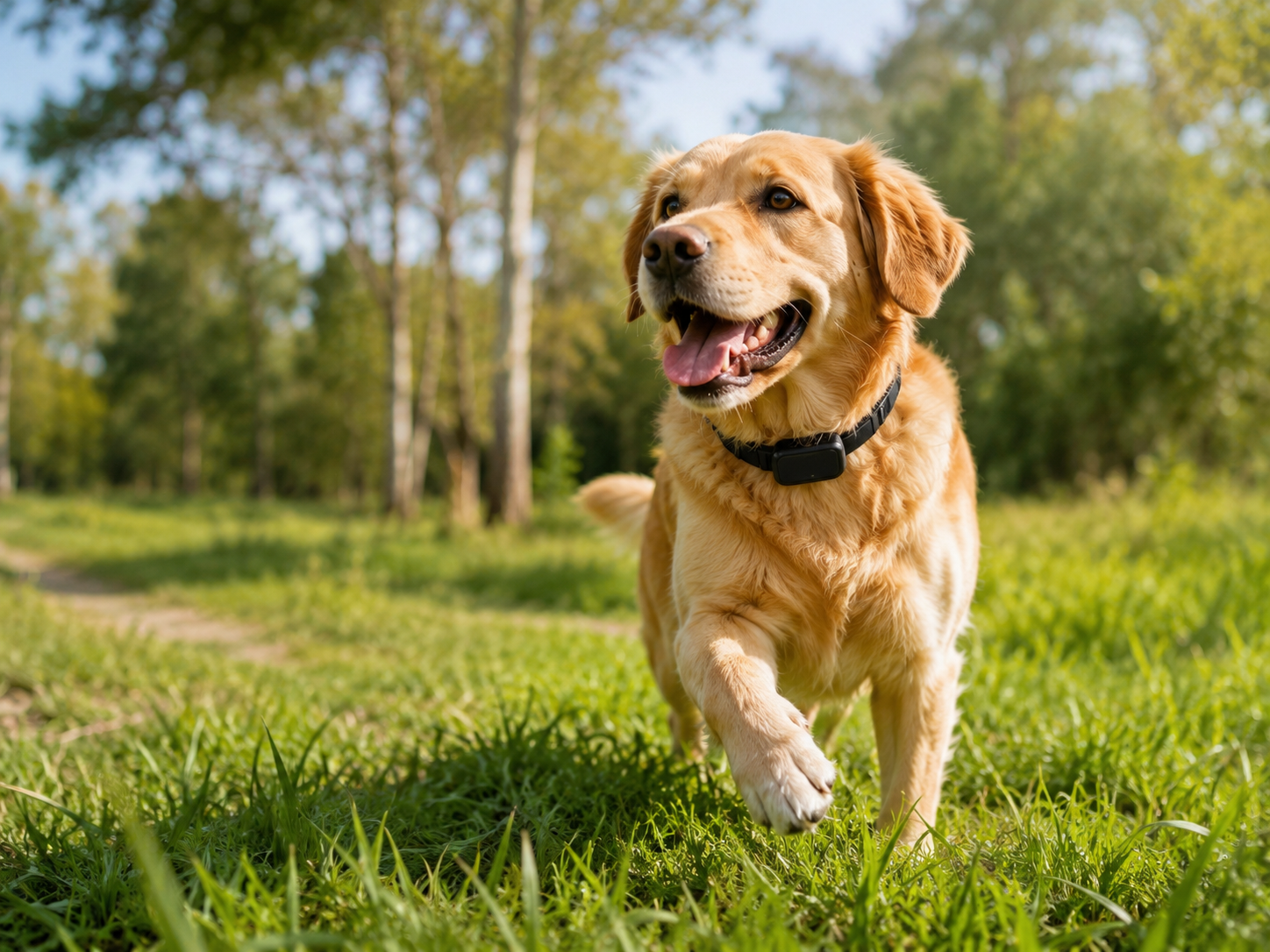
Compare dog GPS tracker features such as real-time location, battery life, geofences, subscription fees, durability, and app alerts.
Why GPS trackers are useful
A GPS tracker can help owners act quickly when a dog slips out, runs during travel, escapes a yard, or gets separated on a walk. It does not replace training, secure fencing, ID tags, or microchips, but it adds another layer of protection.
Features that matter
Prioritize reliable real-time tracking, geofence alerts, battery life, waterproofing, collar fit, network coverage, app quality, and subscription cost.
When Bluetooth tags are not enough
Bluetooth tags can help nearby, but they usually depend on limited range or a crowd network. GPS trackers are better for real-time location over longer distances.
Buying checklist
Check device weight, battery claims, replacement costs, charging method, warranty, and whether the tracker works in the areas where your dog spends time.
Quick checklist
- Compare features, not only price.
- Read exclusions and limitations carefully.
- Think about your pet’s age, routine, health history, and escape risk.
- Keep emergency contacts and identification information updated.