
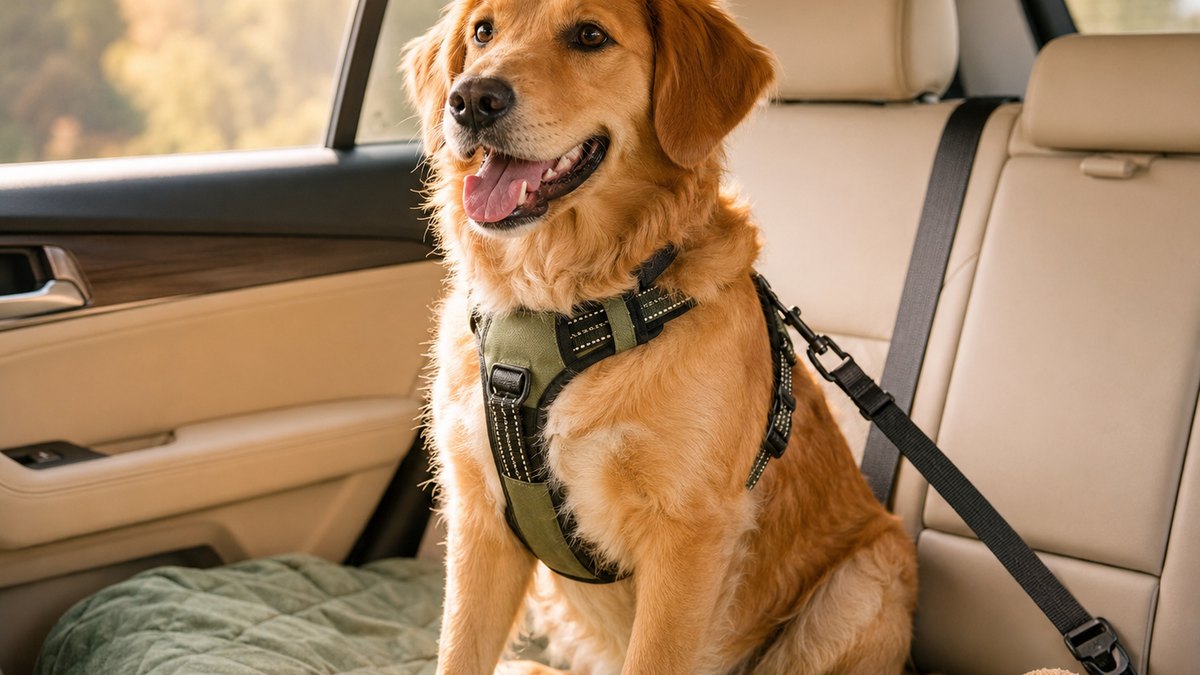
A safer car routine can reduce distraction, injury risk, escape risk, overheating, and emergency confusion.
Think prevention first
Pet safety works best when it is built into everyday routines. Doors, windows, yards, cars, balconies, food storage, cords, plants, medications, and cleaning products should all be reviewed from a pet’s point of view.
Build a layered protection plan
Combine training, supervision, ID tags, microchips, safe equipment, pet-proofing, emergency contacts, and product choices that match your pet’s size, age, temperament, and habits.
Review the plan regularly
Pets change as they age. Revisit safety routines after a move, new pet adoption, travel plans, medical changes, or any incident that reveals a weak spot in your protection setup.
Quick checklist
- Remove common household hazards.
- Use ID tags and microchips.
- Create routines for doors and travel.
- Review safety needs as pets age.
Bottom line
A safer car routine can reduce distraction, injury risk, escape risk, overheating, and emergency confusion. Use this guide as a starting point, then compare the exact terms, product details, and professional guidance relevant to your pet.