
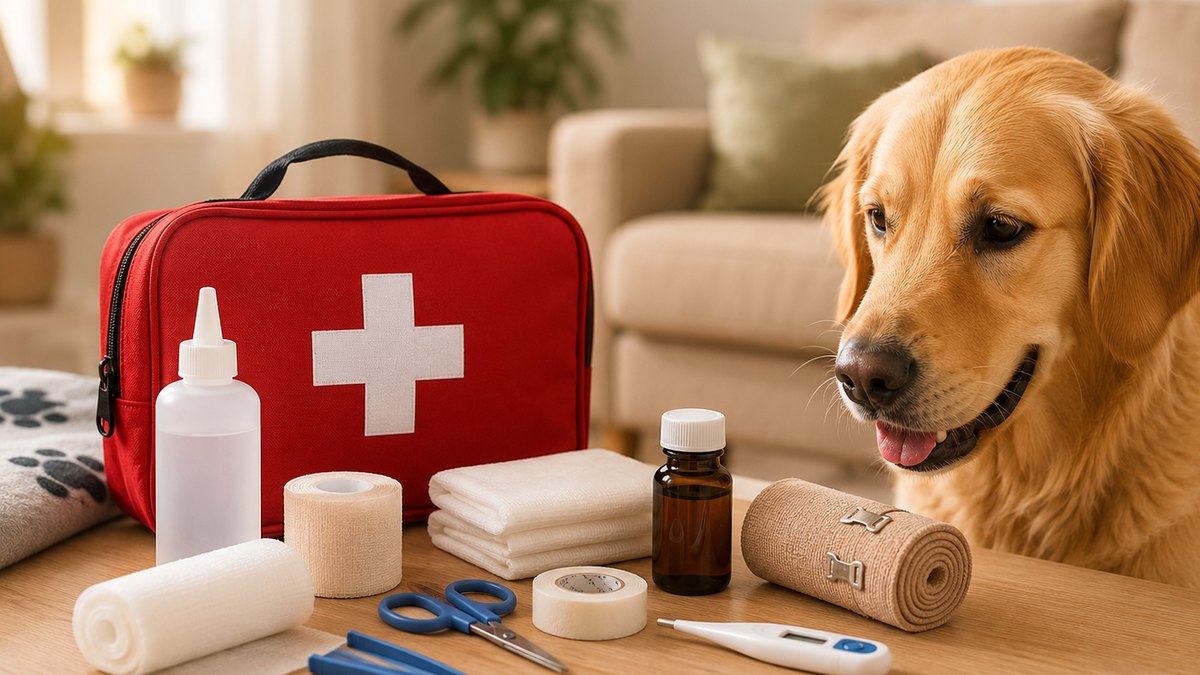
A ready emergency bag can support evacuation, travel delays, storms, medical needs, and unexpected pet care disruptions.
Preparation reduces confusion
Emergency preparation is about making the first few minutes less chaotic. Keep supplies in one place, know where the nearest emergency veterinary clinic is, and make sure family members know the plan.
What owners should prepare
A practical plan can include medical records, medications, carrier or leash, towels, saline, gauze, bandage material, emergency contacts, water, food, waste bags, and a recent photo of your pet.
When to call a veterinarian
If your pet has trouble breathing, collapses, has a seizure, ingests something toxic, bleeds heavily, cannot urinate, or shows severe pain, contact an emergency veterinarian immediately.
Quick checklist
- Save emergency vet contacts.
- Keep supplies in a visible place.
- Update medication and microchip records.
- Do not delay urgent professional care.
Bottom line
A ready emergency bag can support evacuation, travel delays, storms, medical needs, and unexpected pet care disruptions. Use this guide as a starting point, then compare the exact terms, product details, and professional guidance relevant to your pet.