
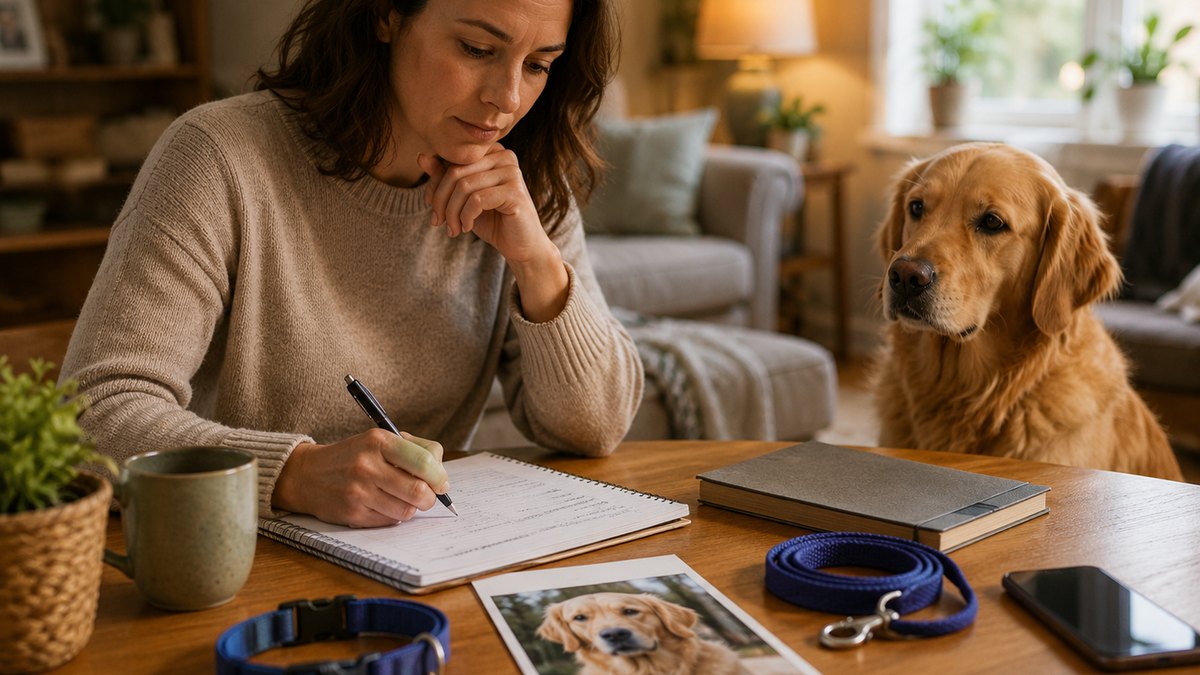
Compare accident-only plans with comprehensive accident-and-illness coverage so you understand tradeoffs before buying.
Start with the coverage problem, not the brand
Pet insurance is easiest to compare when you begin with the risks you want help covering. Look at accidents, illnesses, diagnostic testing, emergency visits, hereditary conditions, medications, rehabilitation, and specialist care. Then compare deductibles, reimbursement rates, annual limits, waiting periods, and exclusions.
Questions to ask before enrolling
Ask whether the policy has age limits, breed-related restrictions, bilateral condition rules, orthopedic waiting periods, exam-fee coverage, prescription coverage, dental illness rules, and a clear definition of pre-existing conditions.
How to make a safer choice
Keep a sample policy, save emergency contacts, compare at least three plans, and choose a deductible and reimbursement level that fits your budget. The best option is the one you understand before you need to use it.
Quick checklist
- Compare exclusions before premiums.
- Check waiting periods and annual limits.
- Keep emergency savings even with insurance.
- Read a sample policy before submitting an application.
Bottom line
Compare accident-only plans with comprehensive accident-and-illness coverage so you understand tradeoffs before buying. Use this guide as a starting point, then compare the exact terms, product details, and professional guidance relevant to your pet.